 Skip to content
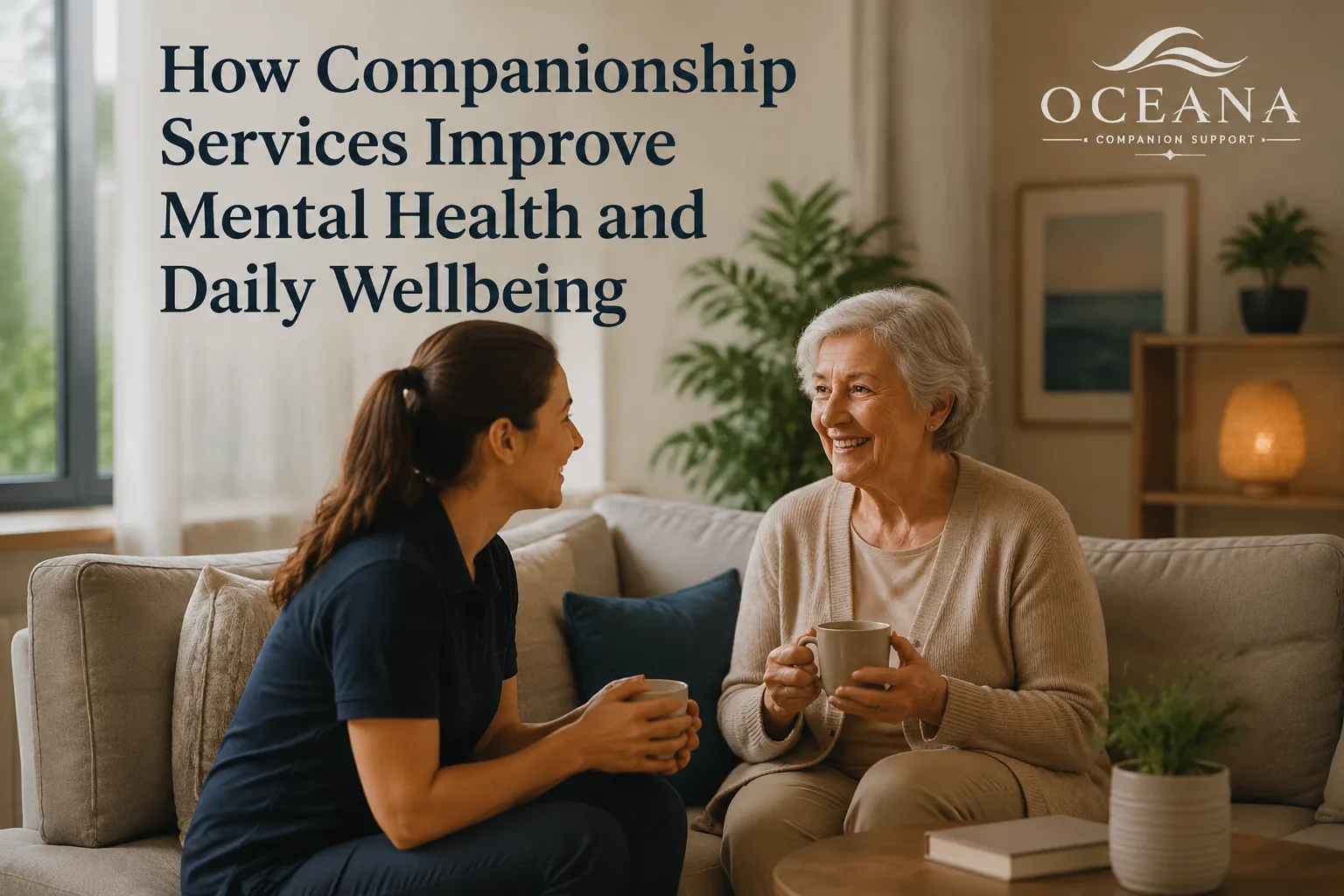
Table of Contents
companion care services play a crucial role in supporting emotional wellbeing, reducing loneliness, and improving the overall quality of daily life. In today’s fast-paced world, many individuals experience emotional isolation, even when living in busy environments. This is where structured companionship support becomes an essential solution.
Unlike medical or clinical care, non-medical companion care focuses on human connection, lifestyle support, and emotional stability. It helps individuals maintain independence while ensuring they remain socially engaged and mentally active.
This article explores how companion-based support improves mental health, why it is becoming increasingly important, and who benefits most from these services. We will also examine real-world applications and practical examples of how companionship can transform everyday wellbeing.
What Are Companion Care Services and Why They Matter
companion care services refer to non-medical support systems designed to assist individuals with emotional, social, and daily living needs. These services are centered around companionship, engagement, and lifestyle assistance rather than medical treatment.
The core purpose is to reduce isolation and improve mental wellbeing through consistent human interaction. Many individuals, especially older adults or those living alone, experience emotional decline due to lack of social engagement.
Companion support helps bridge this gap by providing structured interaction, shared activities, and meaningful communication.
The Emotional Foundation of Companion Support
Human beings are naturally social. When social interaction decreases, mental health can decline significantly. Companion care directly addresses this issue by providing consistent emotional engagement.
- Regular conversation and interaction
- Emotional reassurance and support
- Shared daily routines
- Reduced feelings of loneliness
These elements collectively contribute to improved emotional stability and mental clarity.
Why Non-Medical Support Is Increasingly Important
Modern lifestyles often lead to reduced family interaction and increased isolation. As a result, many individuals require structured companionship to maintain emotional balance.
This is where non-medical companion care becomes essential, offering practical and emotional support without clinical intervention.
Explore our full range of services to understand how structured support can enhance daily living.
How Companion Care Services Improve Mental Health
Mental health is deeply influenced by social interaction, routine, and emotional security. companion care services address all three of these areas in a structured and meaningful way.
Reducing Loneliness and Social Isolation
Loneliness is one of the most significant contributors to mental health decline. Regular companionship helps individuals feel connected and valued.
Even simple activities such as conversation, walking, or shared meals can significantly reduce emotional distress.
- Daily engagement reduces isolation
- Social interaction improves mood regulation
- Companionship increases emotional resilience
Improving Cognitive Health Through Engagement
Engaging in conversations, games, or recreational activities helps stimulate cognitive function. This is particularly important for older adults who may be at risk of cognitive decline.
Companion caregivers often introduce mentally stimulating activities that help maintain memory, attention, and problem-solving skills.
Creating Emotional Stability Through Routine
Routine is a powerful factor in mental wellbeing. Companion support helps individuals maintain daily structure, which reduces anxiety and uncertainty.
Having predictable interactions and scheduled activities improves emotional stability and reduces stress levels.
According to World Health Organization mental health research, social support is a key factor in maintaining psychological wellbeing.

Key Benefits of Companion Care for Daily Wellbeing
Beyond mental health, companion care services significantly enhance overall daily functioning and lifestyle satisfaction.
Encouraging Active Lifestyle Participation
Companionship often includes physical activities such as walking, shopping, or attending community events. These activities contribute to both physical and emotional health.
Staying active improves circulation, mobility, and energy levels while also enhancing mood.
Supporting Independence at Home
One of the most important goals of companion support is maintaining independence. Individuals can remain in their own homes while receiving assistance with daily activities.
This balance between support and autonomy is essential for long-term wellbeing.
Enhancing Confidence and Self-Esteem
Social isolation can negatively impact self-worth. Regular interaction and support help rebuild confidence and emotional strength.
Companion caregivers encourage participation in meaningful activities that restore a sense of purpose.

Who Needs Companion Care Services the Most?
While many people can benefit from companionship, certain groups are particularly suited for these services.
Older Adults Living Alone
Seniors are one of the primary groups that benefit from companion support. It helps reduce loneliness and supports independent living.
Individuals Experiencing Life Transitions
People recovering from illness, loss, or relocation often experience emotional instability. Companion support provides consistency during these transitions.
Adults with Limited Social Interaction
Those who work remotely or live alone may lack regular social engagement. Companion services help fill this gap with structured interaction.
Individuals interested in lifestyle support can explore daily living assistance services for additional help.

Role of Companion Care in Modern Mental Health Support
In modern healthcare systems, emotional and social wellbeing is increasingly recognized as essential to overall health. companion care services complement traditional healthcare by focusing on human connection.
They do not replace medical treatment but enhance quality of life by addressing emotional and social needs.
Organizations such as the CDC Mental Health Division highlight the importance of social support systems in maintaining psychological health.
Integration with Community Services
Companion care often works alongside community programs, recreational activities, and family support systems to create a holistic wellbeing environment.
Preventing Emotional Decline Early
Early intervention through companionship can prevent more serious mental health issues such as chronic loneliness, depression, or anxiety.
Conclusion
companion care services provide essential support for improving mental health and daily wellbeing. By focusing on emotional connection, social interaction, and lifestyle assistance, these services create meaningful improvements in quality of life.
They help individuals remain independent, socially engaged, and emotionally stable while reducing loneliness and isolation.
Whether used by seniors, individuals in transition, or anyone seeking more meaningful daily interaction, companion support offers a practical and compassionate solution.
If you are ready to explore personalized support options, you can contact our team to learn more or request a consultation tailored to your needs.
What are companion care services?
companion care services are non-medical support services designed to improve emotional wellbeing, reduce loneliness, and enhance daily living. These services focus on companionship, social interaction, and lifestyle support rather than medical treatment. They help individuals stay socially active, emotionally balanced, and independent in their daily lives.
How do companion care services improve mental health?
Companion care improves mental health by reducing isolation and increasing meaningful social interaction. Regular conversations, shared activities, and emotional support help stabilize mood and reduce stress. Studies show that social connection plays a major role in preventing anxiety and depression, especially among older adults and individuals living alone.
Who benefits most from non-medical companion care?
Many groups benefit from non-medical companion care, including seniors living independently, individuals recovering from illness, adults experiencing loneliness, and people going through major life transitions. Anyone who lacks regular social interaction or needs emotional support in daily life can benefit from these services.
What daily activities are included in companion care services?
Companion services typically include a wide range of daily activities such as conversation, meal preparation support, grocery shopping, attending appointments, light household assistance, walking, recreational activities, and community participation. These activities are designed to maintain independence while improving overall wellbeing and social engagement.
Can companion care help with loneliness and isolation?
Yes, reducing loneliness is one of the primary goals of companion care services. Regular interaction with a companion caregiver helps individuals feel connected, valued, and supported. This consistent engagement significantly improves emotional health and reduces feelings of social isolation over time.
Is companion care only for elderly people?
No, companion care is not limited to elderly individuals. While seniors are a common group, younger adults can also benefit. People recovering from surgery, individuals living alone, or those experiencing emotional challenges may also require companionship and lifestyle support.
How often can companion care services be provided?
The frequency of services depends on individual needs. Some people may require weekly visits, while others benefit from daily or even multiple weekly sessions. companion care services are flexible and can be customized based on lifestyle, health condition, and personal preference.
What is the difference between companion care and home healthcare?
Companion care focuses on emotional, social, and lifestyle support, while home healthcare involves medical services such as nursing, medication management, and clinical care. Companion care does not replace medical treatment but complements it by improving quality of life and emotional wellbeing.
Can companion care services improve daily wellbeing?
Yes, companion care significantly improves daily wellbeing by encouraging active routines, social participation, and emotional stability. Individuals often experience improved confidence, better mood, and increased motivation to engage in daily activities when supported consistently.
How do I know if companion care is right for me or my loved one?
If someone is experiencing loneliness, reduced social interaction, difficulty maintaining routines, or emotional instability, companion care may be beneficial. It is especially helpful for individuals who wish to remain independent while receiving supportive human connection and assistance.
Comparison: Companion Care Services vs Traditional Support Models
Understanding how companion care services differ from other support models helps families make more informed decisions. While traditional support often focuses on medical or institutional care, companion-based services prioritize emotional wellbeing and independence.
Key Differences in Approach
- Companion Care Services: Focus on emotional support, social interaction, daily living assistance, and community engagement.
- Medical Care Services: Focus on clinical treatment, medication management, and health monitoring.
- Institutional Care: Focus on structured living environments with full-time supervision and medical oversight.
The main advantage of companion support is its flexibility and personalization. It adapts to individual needs without removing independence.
When Companion Care Is the Better Choice
Companion support is ideal when individuals do not require medical intervention but still need emotional connection, routine structure, and lifestyle assistance. It is particularly effective for maintaining mental stability and preventing social isolation.
Best Practices for Choosing Companion Care Services
Selecting the right provider for non-medical companion care requires careful evaluation of service quality, personalization, and communication standards.
Look for Personalization and Flexibility
Every individual has unique emotional and lifestyle needs. The best providers design tailored care plans that reflect personal preferences, routines, and social goals.
Prioritize Emotional Compatibility
Companion relationships rely heavily on trust and emotional connection. Choosing caregivers who match personality and communication style significantly improves outcomes.
Ensure Clear Communication
Regular updates between families and providers ensure transparency and consistency in care delivery. Communication is essential for long-term success.

Common Mistakes When Selecting Companion Care
Many families misunderstand what companion care services truly offer, which can lead to poor decision-making or underutilization of services.
Assuming It Is Only for Medical Needs
Companion care is not medical care. Its purpose is emotional support, social engagement, and lifestyle assistance rather than clinical treatment.
Waiting Too Long to Seek Support
Delaying support often increases emotional isolation. Early adoption of companion services leads to better long-term wellbeing outcomes.
Overlooking Emotional Needs
Focusing only on physical needs ignores a critical part of wellbeing. Emotional health is equally important for maintaining a stable and fulfilling life.
Cost Considerations for Companion Care Services
The cost of companion care services varies depending on frequency, duration, and level of support required.
Main Factors Affecting Cost
- Number of weekly visits
- Duration of each session
- Level of companionship and activities included
- Transportation or travel needs
- Customized lifestyle support requirements
Many providers offer flexible packages to match different budgets and needs. The goal is to make emotional and social support accessible to a wide range of individuals.
Role of Companion Care in Modern Mental Health Support
Modern healthcare systems increasingly recognize the importance of emotional and social wellbeing. companion care services complement traditional healthcare by addressing non-medical needs that significantly affect mental health.
Organizations such as the World Health Organization emphasize that social connection is a key determinant of mental health outcomes.
By integrating companionship into daily life, individuals experience improved emotional resilience and reduced stress levels.
Conclusion
companion care services provide essential emotional, social, and lifestyle support that directly improves mental health and daily wellbeing. Unlike medical care, these services focus on human connection, independence, and quality of life.
They help reduce loneliness, enhance confidence, encourage active living, and create a stable emotional environment for individuals of all ages.
Whether supporting seniors, individuals in transition, or anyone experiencing isolation, companion care offers a practical and compassionate solution for improving everyday life.
As society continues to recognize the importance of mental health, the role of companion-based support will continue to grow in significance.
Call to Action
If you or a loved one could benefit from personalized support, we encourage you to explore our services and connect with our team. Learn more about our offerings on the services page, or contact us directly through the contact page to discuss your needs.
We are committed to providing compassionate, flexible, and high-quality companion support tailored to individual lifestyles and wellbeing goals.